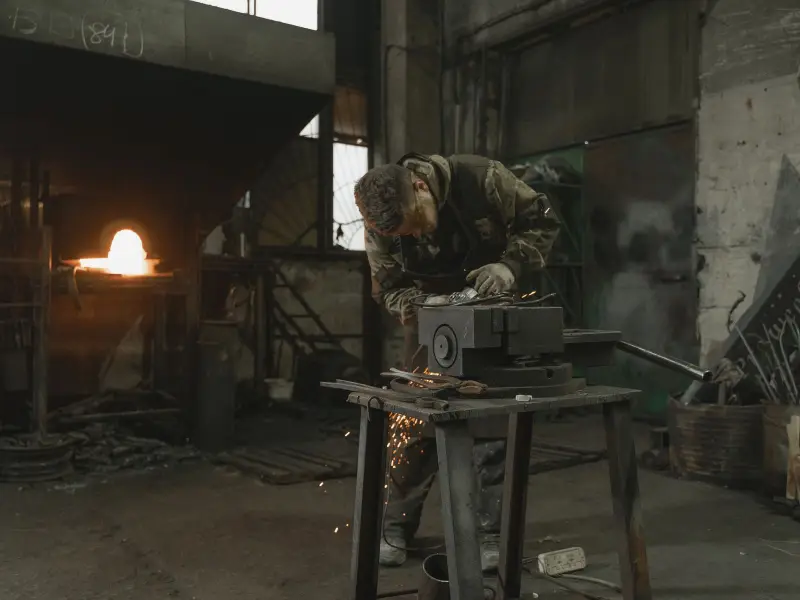
The upfront price is only part of it. Maintenance, repair and replacement are costs too. A whole-picture view when deciding on materials.
When deciding on a gate or railing, most of us look at the quoted figure. But the real cost of an item includes both the upfront price and what is spent throughout its life: maintenance, repair and replacement. This view makes for a more balanced decision.
What does lifecycle cost include?
- Upfront cost: materials, fabrication and installation.
- Operating cost: electricity (automatic gates), cleaning, chemicals.
- Maintenance cost: lubrication, replacing accessories, re-polishing.
- Repair cost: treating rust, re-welding cracks, replacing wheels.
- Replacement cost: at end of life or when the design changes.
A relative comparison of options
| Option | Upfront cost | Maintenance | Note | |---|---|---|---| | Painted iron | Low | Repaint periodically, rusts easily if paint peels | Needs regular maintenance | | 201 stainless steel | Medium-low | Keep dry, wipe regularly | Suits indoors | | 304 stainless steel | Medium-high | Wipe periodically | Suits ordinary outdoors | | 316 stainless steel | High | Wipe periodically | Suits salty and chemical environments |
The table above describes only a general tendency, not specific figures. Actual results depend on the environment, fabrication quality and use.
What affects lifespan
- A material grade suited to the environment.
- Weld quality and surface treatment.
- Drainage design, limiting crevices that hold water.
- Accessories: hinges, tracks and motors are often the parts to be replaced before the frame.
- Level of maintenance.
- Operating load exceeding the design.
When is spending more sensible?
- Places that are hard to maintain (at height, by water): spending more on good material reduces repair work.
- Places that are hard to replace (structures embedded in concrete or walls): build them to last.
- Projects expected to be used long term.
When can you save?
- Indoor items with little exposure.
- Projects expected to change soon.
- Details that are easy to replace.
Tips to reduce lifecycle cost
- Choose the right material grade for the environment.
- Ask for weld cleaning and passivation.
- Buy branded accessories that are easy to source as replacements.
- Set a cleaning schedule of every 1 to 3 months.
- Act early when you see rust spots or a loose hinge.
- Keep the warranty card and invoice.
Note
The statements above are for guidance. For a close calculation for your project, discuss your specific conditions with the workshop and estimate maintenance costs. Contact the workshop for advice.
- #vòng đời
- #bảo trì
- #chi phí
- #inox 304