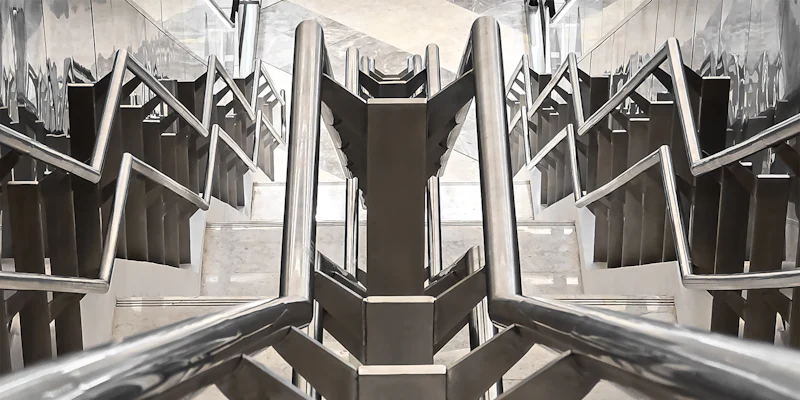
Humid weather, heavy rain and alum-laden water affect stainless steel gates and railings. How to clean and maintain them so they stay beautiful for years.
The Mekong Delta climate has high humidity, heavy rain and groundwater contaminated with alum. These factors make outdoor stainless steel gates and railings deteriorate faster if they are not cared for properly.
Why does stainless steel still stain and rust?
Stainless steel resists rust thanks to a very thin chromium oxide film on its surface. This film is destroyed by prolonged contact with salt, acids, alum, or iron particles carried over from tools. Brown spots and rust specks then appear, especially at the welds.
Choose the right material
- Outdoors, near rivers and canals: choose 304 or 316 stainless steel.
- Welds must be ground smooth and cleaned of weld slag.
- A finely polished surface holds less dirt than a coarse brushed one.
Suggested cleaning schedule
- Monthly: wipe with a soft cloth, clean water and a little dish soap. Dry.
- Every 3 months: use a dedicated stainless steel cleaner, paying attention to post bases and welds.
- After the flood and rainy season: wash thoroughly, including the underside and the gate base, where alum-laden mud collects.
Treating small rust spots
Use baking soda or stainless steel polish, wipe gently along the grain, rinse and dry. Do not use steel wool.
What to avoid
- Letting mortar, cement or paint dry on the stainless steel.
- Using concentrated chlorine-based toilet cleaners.
- Leaning branches, trash or damp items against the gate.
Apply a protective layer
After cleaning, you can wipe on a thin layer of stainless steel wax or maintenance oil so that standing water clings less.
Periodic maintenance with the workshop
If the gate hinges become loose, the gate sags or the welds rust, call a technician to check early. Contact Inox Phu Phong on hotline 0913 706 536 (Mr. Phong) for a free survey and quote in Long Xuyen and the neighboring districts of An Giang.
- #bảo quản
- #miền Tây
- #chống gỉ