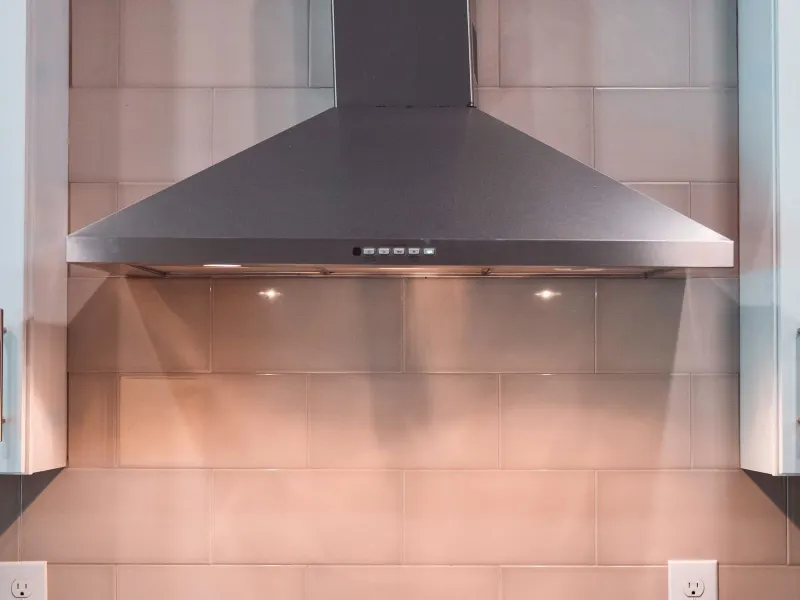
How to clean a stainless steel hood, grease filters and ducts: reference frequency, tools to use and what to avoid.
A restaurant kitchen hood works all day in a greasy, hot environment. Grease left on for a long time not only weakens extraction but is also a fire risk if it catches flame. Regular cleaning keeps the hood durable and keeps the kitchen clean and safe.
Why clean regularly
- Extraction performance: a thick coat of grease on the filter blocks air, so the fan strains and smoke clears slowly.
- Safety: grease collected in ducts is flammable.
- Food hygiene: old grease drips down onto the stove and the food.
- Stainless steel lifespan: grease and chemicals left on dull and stain the surface.
Reference frequency
There is no single figure for every kitchen, since it depends on how much frying and stir-frying is done each day. Suggestions commonly used as a starting point:
- Grease filters: wash weekly (heavy frying kitchens may need it more often).
- Grease tray: empty and wipe daily or at the end of each shift.
- Hood surface: wipe daily the parts that can be reached.
- Ducts and fan: inspect periodically, and have a specialist cleaning service do it when grease has built up thickly.
Observe your actual situation for a while and then adjust the schedule to suit your kitchen.
Tools to use
- Hot water and dish soap or a degreaser that is safe for stainless steel.
- Soft cloths, plastic brushes or soft-bristle brushes.
- Heat-resistant, chemical-resistant gloves.
- A large tub for soaking grease filters.
Procedure for cleaning the grease filter
- Turn off the fan and wait until it has cooled completely.
- Remove the filter panel from its frame. The baffle-type filters the workshop designs are easy to remove.
- Soak in hot water mixed with degreaser for a few tens of minutes so the grease softens.
- Scrub gently along the filter slots and rinse with plenty of water.
- Let it drain fully and refit it; remember to fit it the right way so the grease runs into the tray.
Cleaning the stainless steel hood surface
Wipe along the brushed grain of the stainless steel (if the surface is brushed) with a soft cloth and a mild cleaner, then wipe again with a clean damp cloth and a dry cloth. Wiping along the grain keeps the surface from smearing or scratching.
What to avoid
- Steel scouring pads or steel wool: scratch the stainless steel and leave iron fragments that cause rust marks.
- Strong acids, concentrated chlorine bleach: can damage the stainless steel surface, especially 201.
- Spraying water directly on the fan motor or the electrical box.
- Letting grease harden for weeks before cleaning: you then have to scrape, which easily scratches.
When to call a technician
If the duct already has a thick layer of grease, the fan is abnormally loud, or the welds on an old hood leak grease outside, call a technician to check. In some cases you only need to redo the filter or replace the grease tray without redoing the whole hood.
Designed for easy cleaning from the start
Hoods fabricated by the Phu Phong workshop have sealed, ground-smooth welds, removable filters and grease trays, and ducts with inspection hatches at direction changes. These small details make cleaning much faster. If you need advice or want an old hood repaired, you can contact the workshop for a survey.
- #chup-hut-khoi
- #ve-sinh
- #bao-tri