Yellow stains, water marks and rust from iron particles each need different treatment. Learn the cause to choose the right way to remove them.
After a period of use, stainless steel surfaces often develop yellow stains or brown spots. Before removing them, you need to know what kind of mark it is, because each type has its own treatment, and the wrong treatment can scratch or damage the surface layer.
Types of marks on stainless steel
1. Water marks and mineral deposits
These appear as cloudy white rings or faint stains in places that are often splashed or have standing water. The cause is minerals left behind after the water evaporates.
Treatment: wipe with a cloth soaked in white vinegar diluted with water, leave for a few minutes, rinse clean and dry.
2. Grease, fingerprints and tar
Usually on handles, surfaces near the stove or near the road.
Treatment: diluted dish soap and a soft cloth; for tar, use a mild solvent and rinse again with soap.
3. Rust spots from iron particles
Very common after the neighbors grind steel, or a worker uses tools that have cut ordinary steel. Iron particles stick to the surface and then rust, so it looks as if the stainless steel is "rusting" but the rust is actually in the layer stuck on the outside.
Treatment: use a stainless steel rust remover, apply it, wait for the time on the package, then rinse thoroughly with water. Wear gloves and work in a ventilated area.
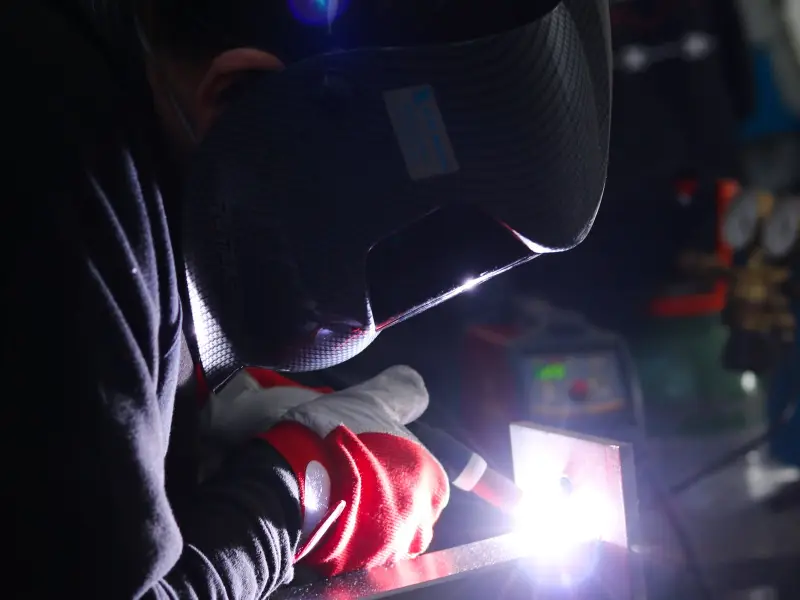
4. Yellow staining around welds
The yellow, blue and purple around a weld is an oxide layer caused by welding heat. It is not really dirt but heat tint.
Treatment: done by the workshop with weld cleaning solution or an electrochemical polishing machine. If the welds on your gate are still discolored after delivery, ask the workshop to redo them.
5. Pitting from salt and chlorine
Tiny pits caused by chlorides. If the pitting is still shallow, re-dress the surface and maintain it regularly. If pitting spreads, consider changing the material, such as 316 stainless steel for riverside, humid and salty environments.
General rules for cleaning
- Always test in a hidden spot first.
- Wipe along the grain of the stainless steel; do not wipe in circles on a brushed surface.
- Use a microfiber cloth or a fine scouring pad made for stainless steel, not steel wool.
- Rinse the chemicals off completely, then dry.
- Do not mix different cleaning chemicals together.
Prevention beats cure
- Wipe off dust and standing water regularly.
- Cover the gate when neighbors grind or cut steel.
- Choose the stainless steel grade that suits the environment from the start.
- Ask the workshop about weld cleaning and surface passivation after fabrication.
When to ask the workshop
Spreading rust, a peeling or deeply pitted surface and large scratches are the time to ask a technician to re-polish or replace the part. Send the workshop a close-up photo for initial guidance.
- #tẩy ố
- #bảo dưỡng
- #inox 304