Stainless steel is not "immortal." Understanding what causes rust helps you choose materials, build and maintain correctly.
"Stainless steel can rust?" is a very common question. In reality, stainless steel resists rust thanks to an extremely thin chromium oxide film on its surface. This film heals itself when it meets oxygen, but under some conditions it is destroyed faster than it can recover.
Cause 1: The wrong material grade
201 stainless steel has little nickel, so it easily gets rust spots in damp, salty environments. Using 201 outdoors by a river, where water splashes, usually degrades faster than 304. If the installation site has salty air or brackish water, consider 304 or 316.
Cause 2: Contamination from ordinary iron
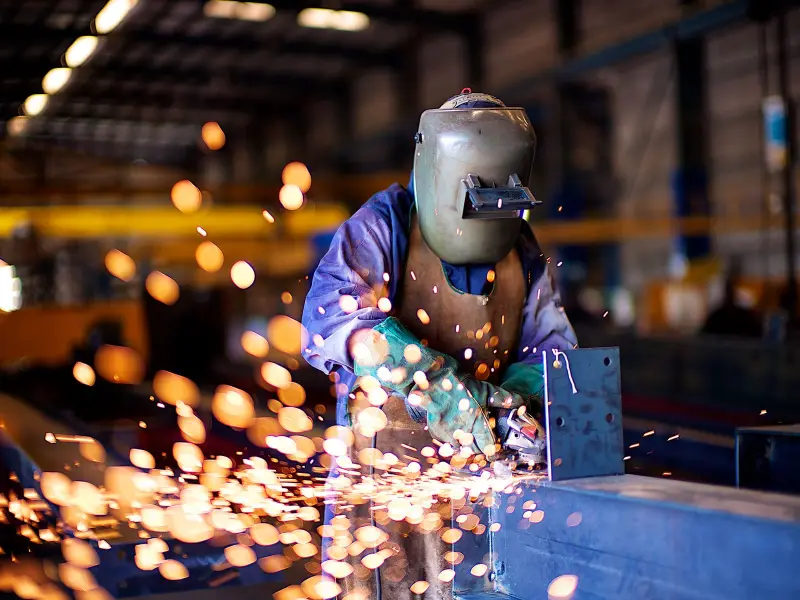
Iron particles from grinders, saws and steel cutting land on the stainless steel surface and then rust. People see rust on the stainless steel, but it is actually the foreign iron rusting. Prevention: keep tools for stainless steel separate, and shield the work when working next to ordinary steel.
Cause 3: Poorly treated welds
The heat-tint zone around a weld loses its protective layer if it is not pickled and passivated. Rust then often starts at the weld.
Cause 4: Cleaning chemicals
Chlorine-based cleaners and strong acids left on the surface cause pitting. Avoid concentrated bleach and rinse thoroughly after using chemicals.
Cause 5: Crevices and standing water
Narrow crevices and corners with long-standing water lack the oxygen the protective film needs to recover, so crevice rust easily develops. Good drainage design and avoiding unnecessary sealed gaps reduce the risk.
Cause 6: Harsh environments
Sea salt, chemical fumes and industrial emissions speed up damage. For such environments choose 316 and schedule regular washing.
Cause 7: Lack of maintenance
Dust, sand and grease left on for a long time hold moisture and seed rust. Wiping regularly with clean water is also an effective measure.
Summary table
| Sign | Usually caused by | What to do | |---|---|---| | Small scattered brown spots | Stuck iron particles, damp 201 | Dedicated rust remover, check the material | | Rust around welds | Welds not cleaned | Ask the workshop to treat the surface | | Tiny pits, rusty spots | Salt, chlorine | Clean, consider 316 | | Brown streaks in crevices | Standing water | Clean the crevice, fix the drainage |
What to do when you see rust
- Take a close-up photo.
- Test-wipe with a mild solution to see whether the rust is on the surface or has eaten in.
- Surface rust: remove with a dedicated solution.
- Deep rust with fast-spreading spots: contact the workshop to inspect, since the material may be the cause.
Prevention
Choose a grade suited to the environment, ask for weld cleaning, wash regularly and avoid strong chemicals. These small things keep stainless steel looking good for a long time.
- #gỉ sét
- #inox 304
- #phòng ngừa